Philadelphia, PA
Pest control Philadelphia homes need for humid summers
Philadelphia pest control for rowhouses and shared walls
Philadelphia's humid summers, aging housing stock and densely packed rowhouses create ideal conditions for insects and rodents year-round. Learn what thorough pest service looks like here and what to expect from a provider before you book.
Questions Philadelphia homeowners ask
How often should pest control be done in Philadelphia?
For most Philadelphia rowhouses, a quarterly schedule keeps common pests like ants, cockroaches and stink bugs under control between visits. Homes that have had rodent or termite issues may need more frequent attention, especially in older North Philadelphia blocks where entry points are harder to seal completely.
Is pest control safe for kids and pets in a Philadelphia home?
Most products applied in residential settings in Philadelphia are considered low-risk when dry, but a good technician should tell you exactly what was used and how long to keep children and pets out of treated areas. Ask for the product name before service so you can look up the safety data sheet yourself.
How do I know if I have termites in my Philadelphia home?
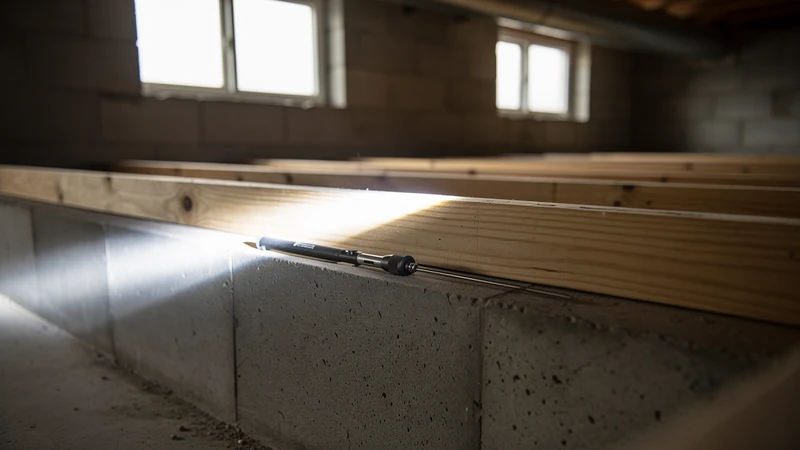
Termite swarms in Philadelphia typically appear in spring, often as winged insects emerging from wall voids or window frames. You might also notice mud tubes along foundation walls or soft, hollow-sounding wood in the basement. An inspection that covers the basement, crawl space and exterior foundation is the right starting point.
What should I ask before signing a pest control contract in Philadelphia?
Ask how long the contract runs, what it takes to cancel early, and whether follow-up visits are included if pests return before the next scheduled service. Contracts that are difficult to cancel have been a common complaint among Philadelphia homeowners, so read the cancellation terms carefully before you sign.
Why Philadelphia homes face persistent pest pressure
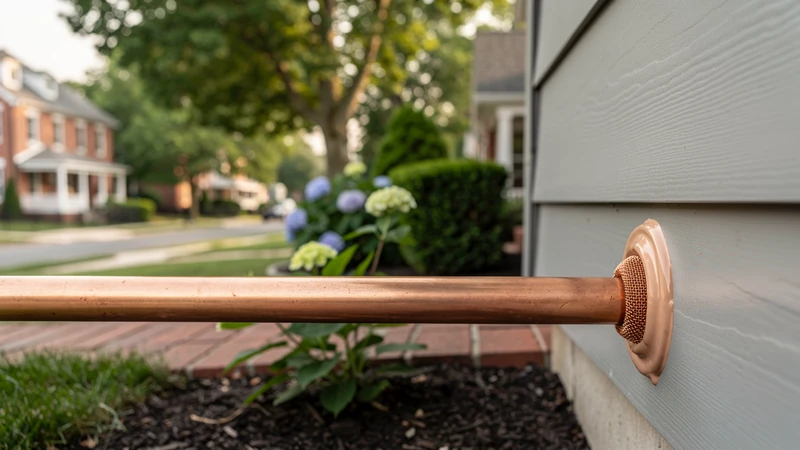
Philadelphia's hot, humid summers keep basements and crawl spaces damp, which draws moisture-loving pests indoors. Older neighborhoods like Kensington and Fairmount are built almost entirely of rowhouses, and shared walls mean a pest problem next door can quickly become yours. Gaps around aging pipe penetrations, cracked mortar and settling foundations give ants, cockroaches and rodents easy entry points. In spring, termite swarms are common in older blocks across North Philadelphia and Fishtown, where wood framing has had decades to soften.
A good inspection in Philadelphia should cover the basement or crawl space, all pipe penetrations, the roofline and any shared-wall voids — not just the rooms where you saw activity.
- Shared rowhouse walls in Kensington and Fishtown let pests migrate between homes without ever going outside
- Humid basements in older properties create harborage for cockroaches and silverfish
- Stink bugs and ants push indoors as fall temperatures drop across the city
- Termite swarms appear each spring in neighborhoods with pre-war wood-frame construction
What a thorough Philadelphia pest inspection covers
Homeowners in Philadelphia and nearby Upper Darby frequently report that technicians rushed through visits without checking every room or exterior entry point. A proper inspection here should take well over 15 minutes and include the exterior foundation, basement, kitchen, bathrooms and any utility chases where pipes enter the structure.
Ask any provider to explain which products they plan to apply, where those products will be placed, and what the follow-up schedule looks like. Providers who cannot answer those questions clearly before the visit are worth reconsidering. A written summary of what was applied and where is a reasonable thing to request after every service.
- Check all exterior entry points, not just the areas where you spotted activity
- Ask for a product name and placement plan before service begins
- Confirm whether the quoted price covers follow-up visits if pests return
- Get a written record of what was applied and where after each visit
Pest control costs in Philadelphia
Pricing in Philadelphia varies by service type and the scope of the problem. A one-time initial treatment typically runs $155 to $310, while a quarterly service visit is usually $105 to $210 per visit. More intensive work carries higher costs: termite treatment runs $520 to $2,600 depending on the method and extent of the infestation, rodent exclusion and trapping typically runs $310 to $935, and bed bug treatment for a whole home ranges from $1,040 to $2,600.
For a full breakdown by service, see the Philadelphia pest control pricing page. Always ask for an itemized quote so you know exactly what is included before any work starts.
- Initial one-time treatment: $155 to $310
- Quarterly service per visit: $105 to $210
- Rodent exclusion and trapping: $310 to $935
- Termite treatment: $520 to $2,600
- Bed bug treatment, whole home: $1,040 to $2,600
Rowhouse blocks and dense streets across the city
Dense residential areas from Manayunk's hilly rowhouses to the frame dwellings in Fishtown each come with their own pest pressures. Manayunk's older two- and three-story row homes on cobblestone streets often have original mortar joints that allow ant and rodent entry. In Fairmount, smaller town houses deal with basement moisture issues that attract cockroaches and silverfish. Kensington's mix of densely packed homes and former factory buildings creates pest harborage that spills into neighboring properties.
Providers serving Philadelphia County should be familiar with these conditions and route service days around them. Abington and Lower Merion residents often look to the same providers that cover North Philadelphia, so coverage area is worth confirming before you book.
- [Pest control in Fairmount](/areas/fairmount) – basement moisture and shared rowhouse walls
- [Pest control in Fishtown](/areas/fishtown) – frame dwellings and seasonal ant pressure
- [Pest control in Kensington](/areas/kensington) – dense residential blocks with factory-era harborage
- [Pest control in Manayunk](/areas/manayunk) – older row homes with aging mortar and entry gaps
Pest services in Philadelphia

Philadelphia neighborhoods
Talk to a local pest pro this week
Call (267) 936-4019